Microplastics in water found to be chemically active: new research findings
Research from Columbia University reveals that microplastics can trigger dangerous chemical reactions upon contact with water.
 💼Economy
Photo: TSN
Key points
- Microplastics generate reactive oxygen species in water
- Polyethylene and polypropylene were found to be the most active
- Heating plastic in a microwave increases the risk of particle release
Scientists from Columbia University and the University of California, Berkeley, have discovered that microplastics are not merely passive contaminants. According to their research, contact with water causes the formation of reactive oxygen species on the surface of plastic particles, which are capable of damaging proteins and DNA.
Chemical activity of plastics
The researchers tested six common types of plastic, including polyethylene and polypropylene. It was found that these materials exhibit the highest chemical activity. The process intensifies as plastic breaks down into smaller fragments, increasing the surface area available for chemical reactions to occur.
Experiments on mouse blood cells confirmed that the active compounds generated on the plastic surface can compromise cell structures. In daily life, the risk of releasing these particles increases when heating plastic containers in microwaves or exposing water bottles to direct sunlight.
Source TSN — tsn.ua/zdorovya/mikroplastyk-vyiavyvsia-nebezpechnishym-niz-vvazaly-shc… ↗
Read next
 🎓Education
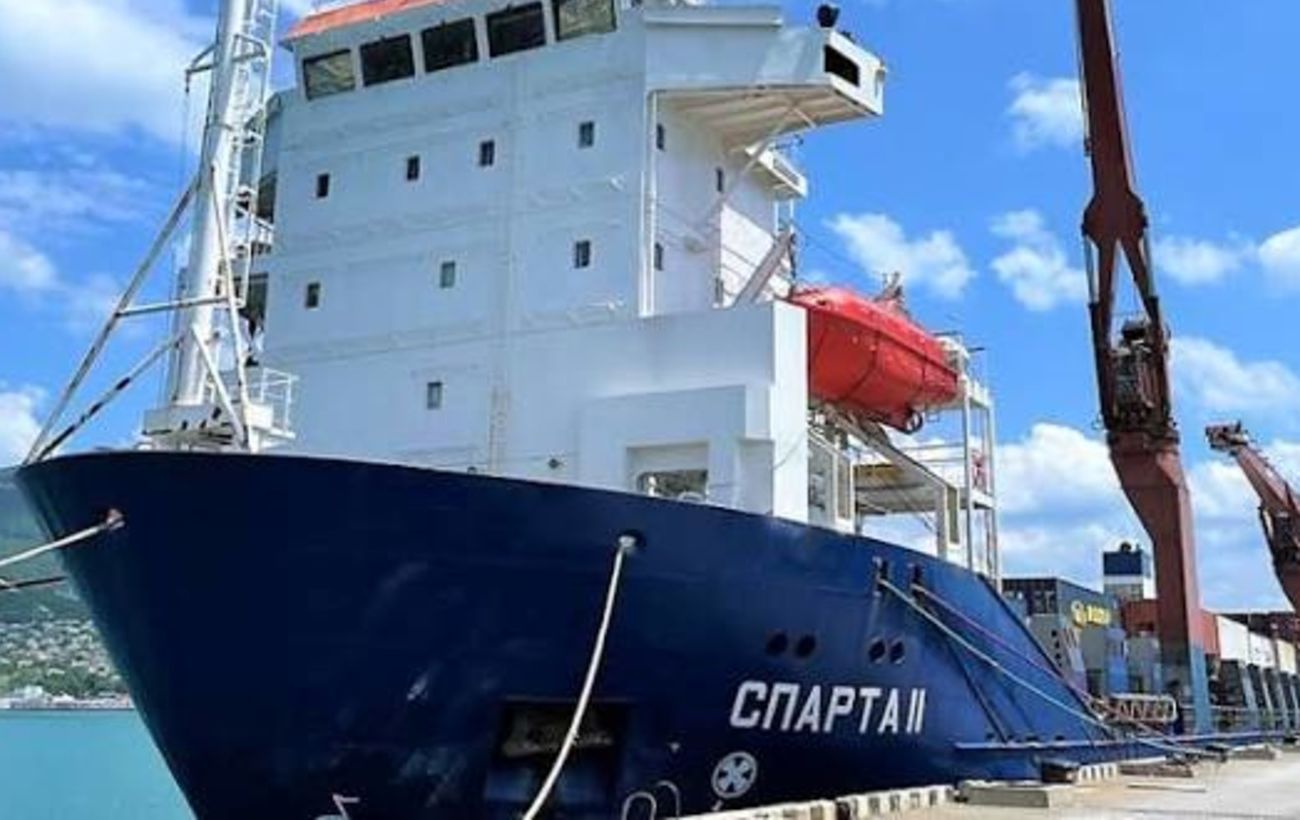
Fire on Russian Vessel Sparta II in the Gulf of Finland Continues Following Drone Attack
Efforts to extinguish the fire on the Russian cargo ship Sparta II are ongoing in Finnish territorial waters.
 🎓Education
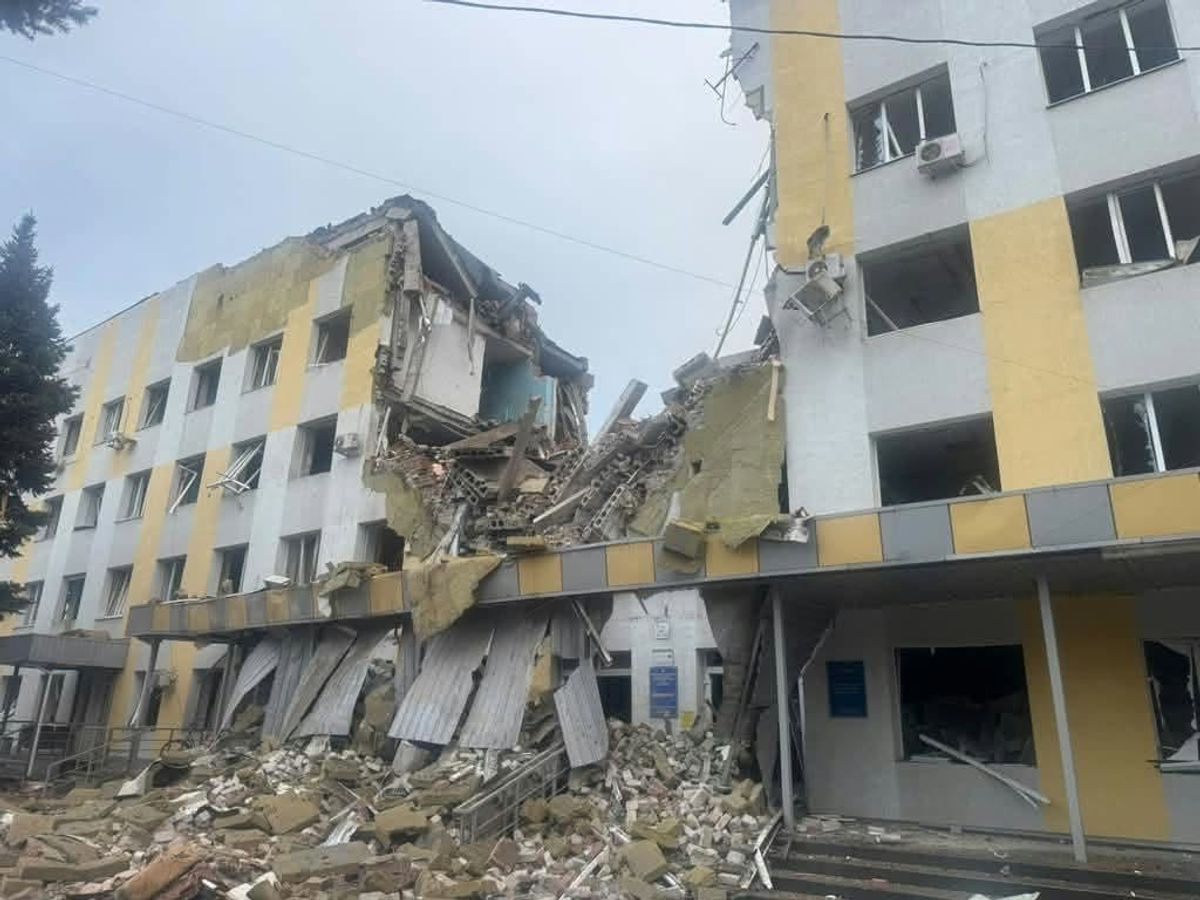
Nighttime Drone Attack on Dymer: Rescuers Search for Missing Residents After Apartment Hit
A 14-story apartment building in Dymer, Kyiv region, was partially destroyed following a hostile drone attack, leaving 14 people unreachable.
 🎓Education
Slavyansk under attack: consequences of massive shelling and evacuation in Donetsk region
As a result of enemy strikes on Slavyansk and other settlements in the Donetsk region, civilians were injured, and authorities continue to rescue people from dangerous ar…
 🚨Events
Ukrainian Theatre Tours in Europe: Behind the Scenes of Cultural Diplomacy
Producer Serhii Chudaiev shares insights on organizing Ukrainian theatrical tours in Europe, audience reactions, and logistical challenges.
 🚨Events
Parliamentary oversight of NABU: Expert comments on Kryvonos missing temporary commission meeting
Political expert Volodymyr Sonyuk stated that NABU Director Semen Kryvonos must personally answer questions from the temporary parliamentary investigative commission. He …
 ⚽Sport
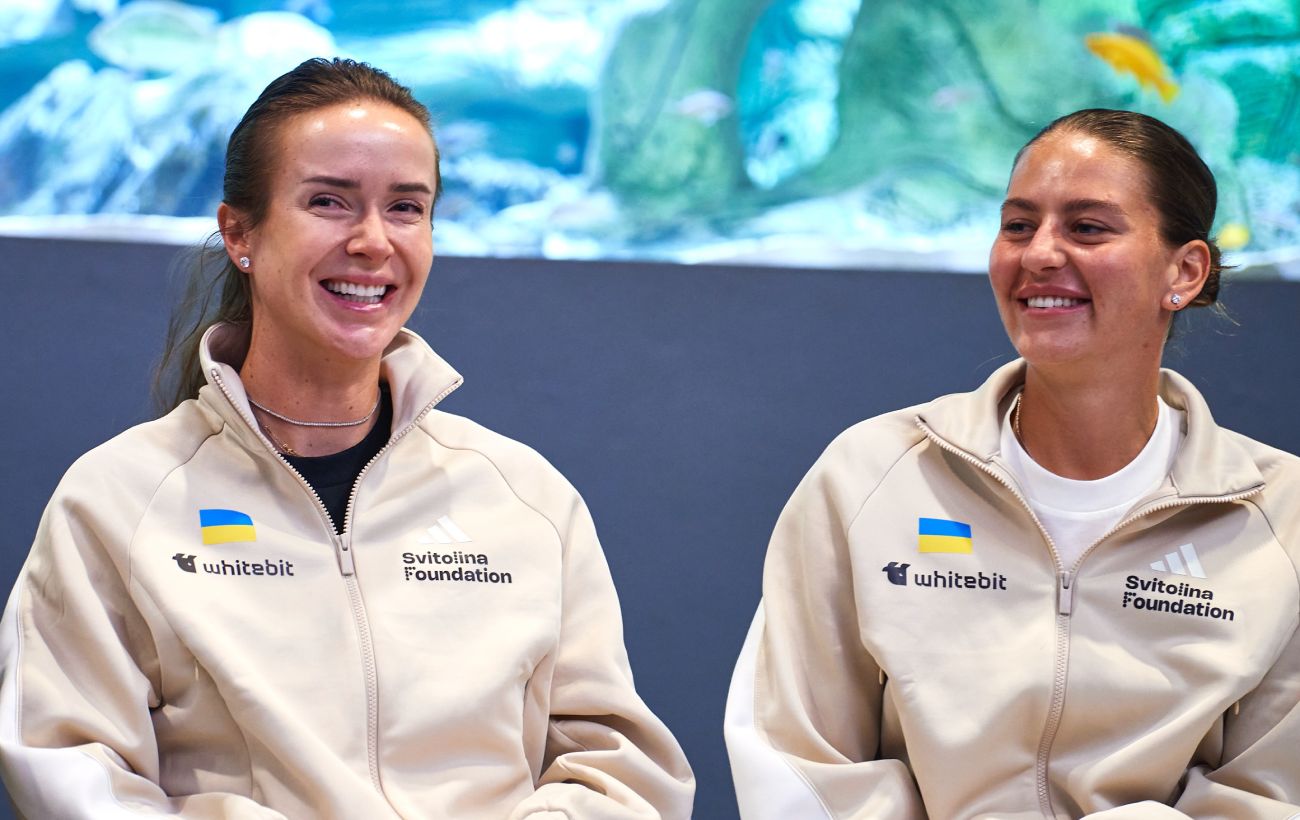
Ukrainian tennis players Svitolina and Kostyuk nominated for prestigious WTA awards
Elina Svitolina and Marta Kostyuk have been nominated for the Women's Tennis Association annual awards following a successful season.