How to properly prepare garden plants for winter: expert tips for Sloviansk residents
Experts explain when and with what materials to cover roses, hydrangeas, and conifers for the winter, while warning against common gardening mistakes.
 💼Economy
Photo: TSN
Key points
- Do not rush to cover plants before steady frosts arrive.
- The optimal temperature to start covering is -5…-7 °C.
- The best materials are agrofibre on a frame and conifer branches.
With the onset of cold weather, owners of private houses and country plots in Sloviansk begin actively preparing their gardens for the winter period. However, experienced gardeners remind us that premature or improper plant covering can cause more harm than the frosts themselves. The main enemies of greenery during the cold season are excessive moisture, sharp temperature fluctuations, and a lack of proper ventilation under the protective layer.
Main dangers of winter covering and timing
One of the most common problems is plant damping off. If bushes are covered too early while the weather outside is still warm, condensation accumulates under the shelter. In a confined space without adequate air exchange, shoots begin to rot, and fungal infections develop. In addition, winter desiccation is dangerous for evergreen crops and conifers, when frozen soil cannot supply roots with moisture during bright winter sun.
Experts recommend not rushing to install protective structures. Most frost-resistant crops can easily withstand the first light frosts down to minus three degrees, which helps them undergo natural hardening. The main shelter is usually installed only after a stable temperature of about minus five to seven degrees sets in, and the top layer of soil freezes slightly. Typically, such weather conditions occur in late autumn.
How to properly protect garden crops
For reliable protection of sensitive plants, such as hybrid tea roses or bigleaf hydrangeas, it is important to use breathable materials. Agrofibre with a density of 60 grams per square meter stretched over a special frame is best suited for this. This creates an air gap and prevents direct pressure on the branches. At the same time, it is strictly not recommended to use dense plastic film or old blankets, which absorb moisture, freeze to plants, and provoke diseases.
«Важно, чтобы под укрытием циркулировало воздух. Для этого навколо куща можна встановити каркас і натягнути на нього агроволокно», — experts note.
To insulate root zones, dry leaves, pine branches, or compost are often used. They help protect the root system from freezing and heaving, which occurs due to the constant freezing and thawing of the soil during winter thaws. Following these simple rules will allow Sloviansk residents to keep their gardens healthy and blooming until next spring.
Source TSN — tsn.ua/other/koly-i-chym-vkryvaty-roslyny-na-zymu-porady-dlia-troiand-h… ↗
Read next
 🛡️Security
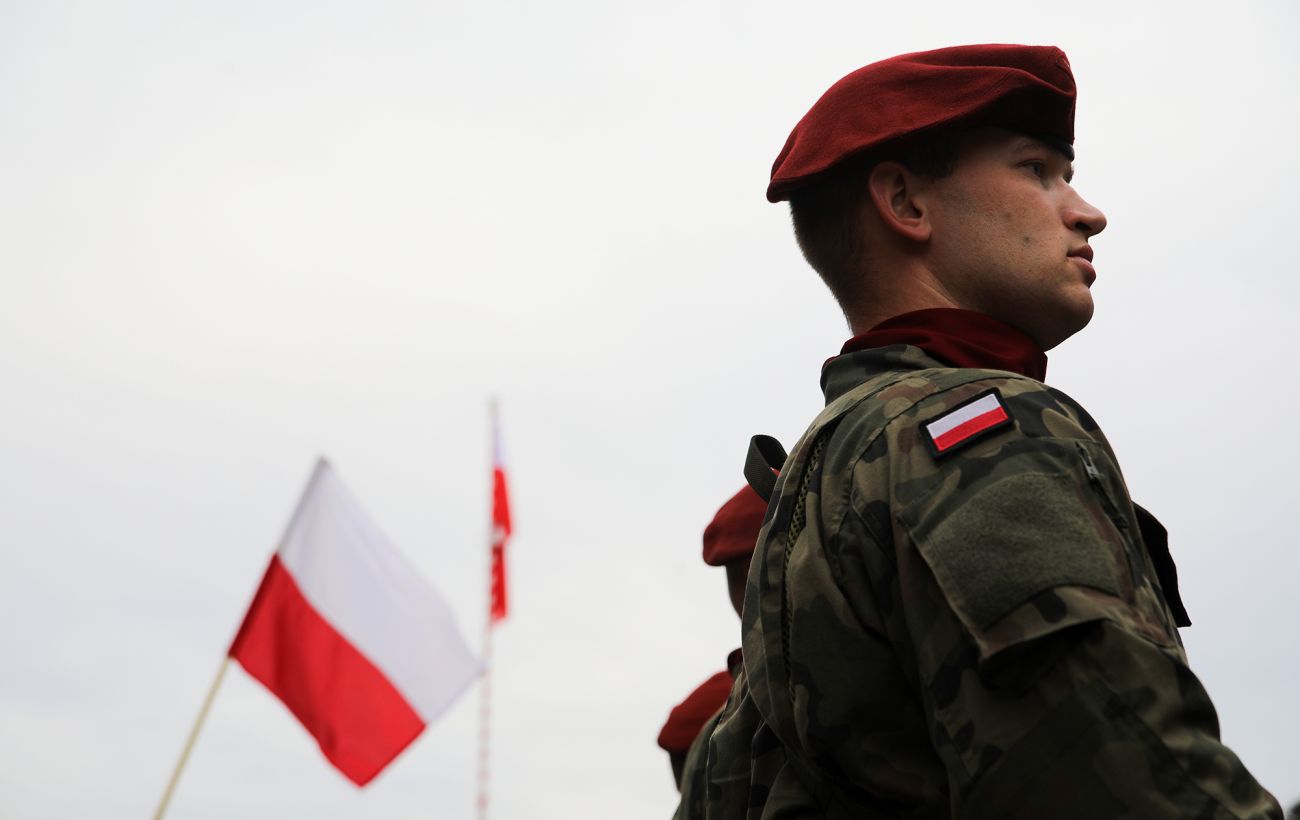
Poland Demands NATO Strengthen Air Defense After Russian Missile Breach
Polish Deputy Defense Minister Pawel Zalewski stated that NATO must reinforce air defense along its eastern flank following a violation of Polish airspace by Russian miss…
 💡Tech
Scientists propose sending thermonuclear reactors into space
Researchers suggest placing nuclear fusion reactors in orbit to power future space missions and extraterrestrial settlements.
 🇺🇦Ukraine
Poland reports Russian disinformation wave over alleged Kaliningrad region attack
Polish and Lithuanian authorities have reported a massive wave of Russian fake news regarding a purported Ukrainian and NATO attack on the Kaliningrad region.
 🛡️Security
Massive Energy Strikes: Dnipro and Odesa Face Critical Power Outages
Fresh attacks on Ukraine's critical infrastructure have left major cities without electricity, halting public transport and affecting basic services.
 🚌Transport
Russian forces attack Naftogaz facilities in Dnipropetrovsk and Zaporizhzhia regions
Energy sector employees were injured following airstrikes on gas infrastructure and filling stations.
 🛡️Security
Cabinet Announces Digital Platform to Track Critical Infrastructure Disruptions
Prime Minister Sergii Koretskyi announced a new digital tool to monitor and quickly respond to essential utility outages across regions.