Ukraine's Health Ministry and WHO Set Priorities for Emergency Response and Hospital Resilience
The Ministry of Health and WHO have outlined key areas for cooperation, focusing on emergency preparedness and providing essential medical and energy equipment to hospitals.
 🩺Health
Photo: AutoGN health · Здоров'я новини
Key points
- Focus on training medical staff for CBRN (chemical, biological, radiological, nuclear) threats.
- WHO to assist with energy and medical equipment based on an updated MoH list.
- Development of a national emergency preparedness plan for the healthcare sector.
A high-level meeting between the Ministry of Health (MoH) of Ukraine and representatives from the World Health Organization (WHO) took place in Kyiv to discuss future health system support. The primary focus was on emergency preparedness, ensuring the continuous operation of medical facilities, and developing public health systems during the ongoing conflict. Both parties emphasized the need for a robust response mechanism to various crises.
Preparedness and Specialized Training
Deputy Minister of Health Oleksandr Chepurnyi highlighted that international support is vital for enhancing the country's readiness for emergencies. The cooperation will include improving epidemiological surveillance and early threat detection systems. A significant part of the strategy involves training healthcare workers to respond to chemical, biological, radiological, and nuclear (CBRN) threats.
New response plans are being developed for local authorities, which will be tested through joint exercises. This initiative aims to establish clear protocols and responsibilities during infectious disease outbreaks or industrial accidents. Furthermore, laboratory capacities will be strengthened to combat antimicrobial resistance, a growing concern in clinical settings.
Humanitarian Support and Energy Security
The meeting also addressed the material needs of Ukrainian hospitals. The MoH is preparing an updated list of critical requirements, including medical and energy equipment, to be submitted to the WHO. "It is important for us that every person can receive necessary medical care in a timely manner," stated Oleksandr Chepurnyi during the session.
WHO representatives, including Silviu Domente and Altaf Musani, reaffirmed their commitment to long-term partnership. Work continues on a national emergency preparedness plan that will define procedures for emergency medical services and disaster medicine. This systematic approach is designed to ensure that the healthcare infrastructure remains functional even under extreme pressure.
Read next
 💼Economy
National Bank of Ukraine Updates Official Exchange Rates for USD and EUR for November 24
The NBU updated foreign currency rates for November 24, showing an increase for both the US dollar and the euro following a previous decline.
 💼Economy
National Bank of Ukraine adjusts official exchange rates for November 24
The National Bank of Ukraine has updated official exchange rates, recording a slight weakening of the hryvnia against the dollar and the euro.
 💼Economy
Ukrainian Agricultural Sector Faces Bankruptcy Risks Amid Logistical Challenges and Export Declines
Domestic agricultural producers have depleted their financial reserves amid intensifying logistical attacks and reduced lending, threatening widespread bankruptcies by sp…
 🛡️Security
Kremlin’s Nuclear Rhetoric: Medvedev Threatens Preemptive Strike Against Ukraine
Dmitry Medvedev, Deputy Chairman of Russia's Security Council, has voiced new threats regarding the use of nuclear weapons, citing specific conditions for a preemptive st…
 🇺🇦Ukraine
European Commission favors multilateral negotiation format with Russia
The European Commission has commented on the invitation from the Russian side to visit Moscow, emphasizing the importance of a collective approach to security issues.
 🏛️Politics
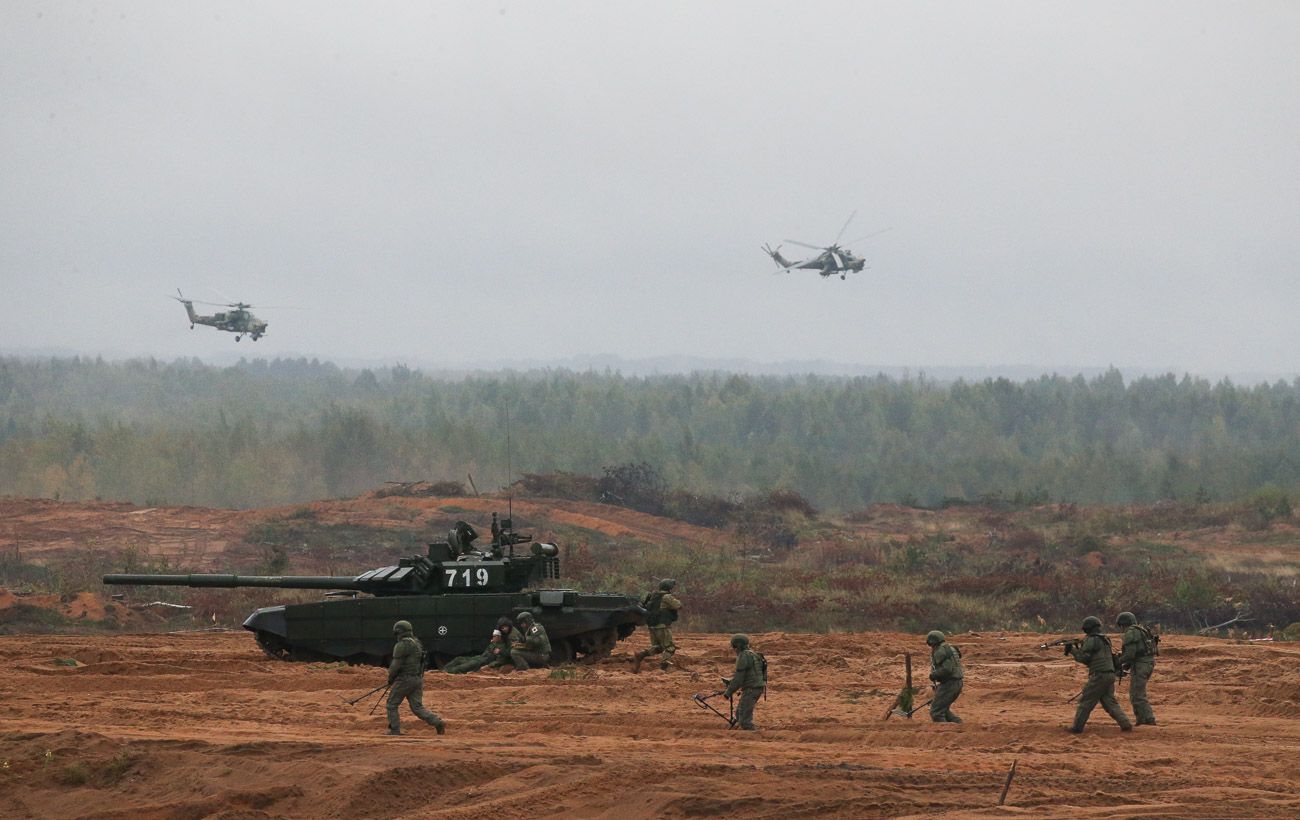
Russia Expands Military Infrastructure Near Finnish Border, Satellite Images Reveal
Russia is reconstructing the Kamenka garrison near the Finnish border to house an expanded motorized rifle division and a new training center.