Strengthening cooperation between Russia, China, Iran, and North Korea: The Economist analysis
The Economist reports on the deepening coordination between four authoritarian regimes, posing new challenges to global security.
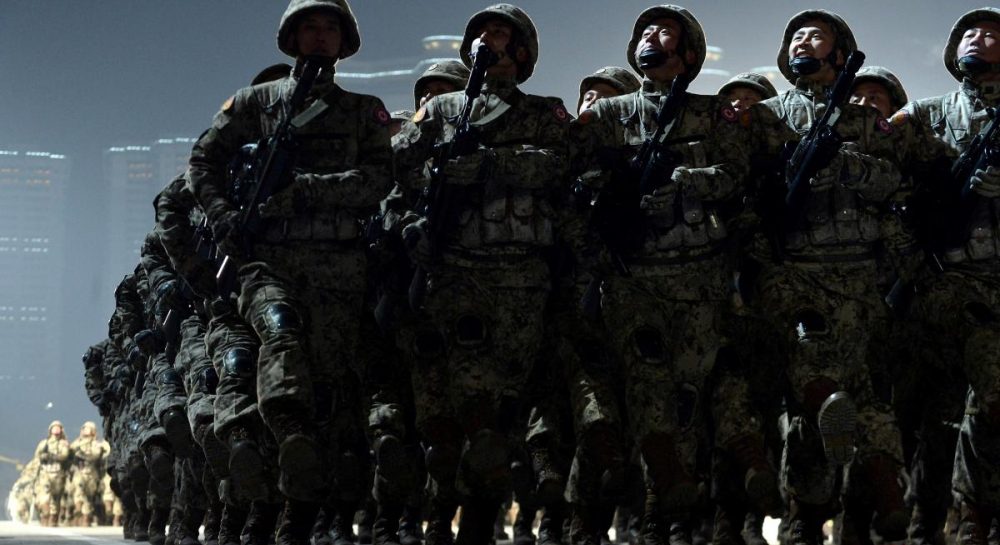 🇺🇦Ukraine
Photo: UNIAN
Key points
- Rising instances of security cooperation between Russia, China, Iran, and North Korea.
- Lack of a unified military command despite high levels of technology exchange.
- Western efforts to adapt to new geopolitical challenges.
A new level of geopolitical partnership
Analysts at The Economist report a growing coordination between Russia, China, Iran, and North Korea. Despite the lack of a formal military alliance like NATO, these nations are actively exchanging technologies, intelligence, and military expertise, while helping each other circumvent Western sanctions.
According to the FDD think tank, over 600 instances of security cooperation were recorded between these nations from 2019 to 2025. The frequency of these contacts has increased significantly since the start of Russia's full-scale invasion of Ukraine, indicating a shift toward systematic partnership.
Limits of the alliance and challenges for the West
Experts note that the interests of the members of this "axis" do not always align. For instance, China values stability for economic growth, while Russia benefits from global instability. However, even with internal contradictions, their mutual support makes these regimes more resilient to Western pressure.
Amid these developments, the U.S. is adjusting its internal security policies. Defense Secretary Pete Hegseth has implemented restrictions on informal contacts between military personnel, which may reflect an attempt to minimize risks amid rising global tensions.
Source UNIAN — unian.ua/world/rosiya-knr-iran-ta-pivnichna-koreya-stvorili-neforma… ↗
Read next
 ⚽Sport
Ukrainian gardener grows a 350-kilogram giant pumpkin
Oleksii Buriachenko from the Cherkasy region grew a 350 kg pumpkin in his garden and gave it away to the local community for free.
 🛡️Security
Tragedy in Dymer: Death toll from Russian attack rises to eight
Rescue teams continue clearing rubble in Dymer, Kyiv region, where eight people have died following an enemy strike.
 👥Society
Conflict at Kyiv Pechersk Lavra: Police launch investigation
Law enforcement officers in Kyiv intervened in a scuffle at the historic Lavra complex. The dispute arose from disagreements over the use of religious facilities.
 🏙️City
ISW analysts explain the impossibility of humanitarian evacuation from Kostiantynivka
The Institute for the Study of War analyzed Russia's proposal for evacuation from Kostiantynivka, citing geographical and strategic obstacles.
 💼Economy
Another Attack on Novoshakhtinsk Oil Refinery: Impact on Fuel Supply
On the night of November 23, the Novoshakhtinsk Oil Refinery in the Rostov region was struck. The facility is a major supplier of fuel for the Russian military.
 🚨Events
Shooting in Kharkiv leaves one man dead: police launch special operation
A shooting incident occurred in Kharkiv on the evening of November 22, resulting in a fatality. Local police have initiated a special operation to track down those respon…